
Orange County Relocation Guide: Best Places to Live, School Districts, Cost of Living, and How to Move Smart
Updated: Dec 9, 2025

QUICK NAVIGATION

INTRODUCTION
Moving to Orange County is not like moving anywhere else. The distances look small on a map. Neighborhoods look similar online. Schools look good across the board. Commute times appear manageable until you actually arrive.
Most relocators do not realize how different OC is until they are living here.
Some land in the wrong school district because online maps did not show an attendance boundary. Others choose a neighborhood that appears quiet and appealing but adds 35 to 45 minutes to their commute every day. Many think renting first is the safe option, only to discover that the best rentals in the strongest school zones move quickly and are highly competitive. Nearly everyone underestimates the premium for convenience and proximity to daily routines.

This Orange County relocation guide eliminates those blind spots.
You will get a clear view of the real costs of living in OC, the best neighborhoods for different lifestyles, how school boundaries work, what commutes actually feel like, the pros and cons of renting versus buying, the ideal 90 day relocation timeline, and the mistakes to avoid. The goal is clarity before arrival, not confusion after you move.
SMART SUMMARY - WHAT THIS ORANGE COUNTY RELOCATION GUIDE COVERS
Orange County is one of California’s most desirable relocation destinations because of its schools, safety, job markets, and lifestyle. Renters typically pay between $2,500 and $4,000 per month. Buyers usually see home prices ranging from $850,000 to $1.6M or more depending on neighborhood, school district, and home type.
Best neighborhoods depend on lifestyle:
Families: Irvine, Tustin, Aliso Viejo, Yorba Linda
Young professionals: Costa Mesa, Irvine Spectrum, Newport Peninsula
Hospital workers: Orange, Santa Ana, Anaheim Hills
Teachers: Tustin Unified, Irvine Unified, Saddleback Valley
Retirees: Laguna Woods, Dana Point, Mission Viejo
Commutes vary widely. A ten mile drive can range from twelve minutes to more than thirty five depending on direction and time of day.
Renting works best for short term flexibility. Buying becomes more cost effective after eighteen to twenty four months in many parts of OC due to rising rents and long term equity growth.

COST OF LIVING IN ORANGE COUNTY

If you’re weighing your options, the next question most relocating families ask is whether buying makes more long-term sense than renting.

Orange County is known for being expensive, but the real numbers depend heavily on neighborhood, lifestyle, and daily routine. Below is a clear breakdown of what relocators can expect.
HOUSING COSTS
Housing costs are the largest factor in the OC budget.
Renting in OC:
• One bedroom: $2,300 to $2,900
• Two bedroom: $2,800 to $3,600
• Three bedroom: $3,500 to $4,500
Buying in OC:
• Condos and townhomes: $650,000 to $950,000
• Single family homes: $900,000 to $1.6M+
• High demand areas: $1.2M to $2.0M+
PROPERTY TAXES AND MELLO ROOS
California property tax usually sits around 1 percent of assessed value. Newer communities may include Mello Roos, which can add $100 to $600 per month depending on the home. This is one of the most overlooked relocation costs.
Mello-Roos (Explained)
Mello-Roos is a special property tax added to certain homes in newer neighborhoods to help fund local community improvements.It appears as a separate line item on your annual property tax bill and typically lasts for 20 to 40 years depending on the community.
Why does Mello-Roos exist?
Cities use Mello-Roos to pay for things like:
new schools
fire stations
parks and playgrounds
roads and infrastructure
community centers and libraries
These improvements help new neighborhoods grow faster without raising taxes for the entire city.
How much is it?
The amount varies, but in Orange County most Mello-Roos taxes range from $1,500 to $5,000+ per year, depending on:
the home size
the district
the community’s development costs
Homes in areas like Irvine, Lake Forest, and Ladera Ranch often have higher Mello-Roos because the neighborhoods are newer and include more community facilities.
How long does it last?
Every community is different. Most Mello-Roos taxes expire after the original bonds are paid off which is usually 20 to 40 years after the neighborhood was built.
Some newer districts renew or extend bonds if additional improvements are made.
Do all homes have Mello-Roos?
No.Many older neighborhoods in Orange County have no Mello-Roos at all, which reduces the annual property tax burden.
Does Mello-Roos affect home prices?
Often, yes. Homes with Mello-Roos may sell for slightly less than comparable homes without it. They’re usually in newer communities with modern schools, parks, and amenities.
UTILITIES AND INTERNET

Most households spend:
• Electricity: $120 to $220
• Water and trash: $60 to $100
• Gas: $30 to $70
• Internet: $60 to $90
Total estimated monthly utilities: $250 to $400
TRANSPORTATION
OC is car focused. Commuting costs matter.
• Gas: $150 to $250 per month
• Toll roads: $40 to $120 per month depending on route
• Insurance varies by city
• Parking is usually manageable outside of downtown areas
GROCERIES AND LIFESTYLE
Typical monthly budgets:
• Single adults: $350 to $500
• Couples: $650 to $850
• Families: $900 to $1,300
Lifestyle spending varies by city. Coastal neighborhoods, Irvine, and Newport trend higher. Tustin, Orange, Costa Mesa, and Mission Viejo offer more flexibility.
BOTTOM LINE
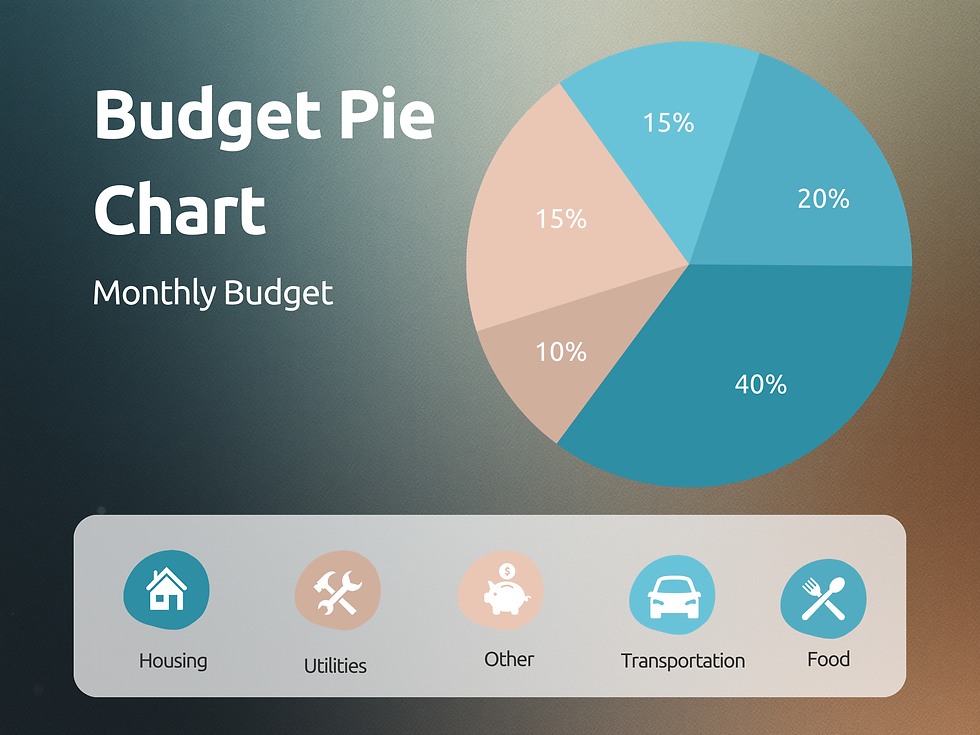
The cost of living in OC is manageable when you choose the right neighborhood. The people who struggle most are those who assume OC is one uniform price band. Understanding the spread is key.
BEST NEIGHBORHOODS BY LIFESTYLE
Choosing a neighborhood in Orange County is not like choosing a neighborhood in other metros. Cities blend into one another, school quality varies by precise boundaries, commute times depend on direction rather than distance, and each community has a unique personality. This section organizes OC the way relocators actually think: by lifestyle and daily routine.

FOR FAMILIES RELOCATING

Families relocating to OC typically look for strong schools, safe neighborhoods, parks, clean streets, and stable property values. The top choices reflect predictable patterns.
Irvine
Families choose Irvine for top tier schools, modern communities, low crime, and abundant family amenities. Home prices often range from $1.2M to $2M for single family homes, with condos starting around $650K. Rentals range from $3,000 to $4,200 for two and three bedroom units.
Tustin and Tustin Ranch
Popular with families who want strong schools and more space for the price compared to Irvine. Homes generally range from $900K to $1.8M. Rentals for two and three bedroom homes range from $3,000 to $4,000.
Aliso Viejo
Clean, safe, and very convenient with walkable centers and strong schools. Homes typically range from $900K to $1.4M. Rentals fall between $2,800 and $3,800.
Yorba Linda
Known for suburban space, larger lots, and excellent schools. Homes typically sit between $1.1M and $1.8M. Rentals range from $3,500 to $4,500.
Mission Viejo
Family friendly with great amenities and lake access. Prices often range from $900K to $1.5M. Rentals usually fall between $3,000 and $4,000.
FOR YOUNG PROFESSIONALS

Young professionals prioritize walkability, nightlife, proximity to job hubs, and modern amenities.
Costa Mesa
Trendy, creative, and close to beaches. Homes range from $950K to $1.7M. Rentals range from $2,600 to $4,200.
Irvine Spectrum Area
A major hub for tech, biotech, and finance workers. Condos and townhomes range from $650K to $1.1M. Rentals fall between $2,800 and $3,800.
Newport Peninsula
Ideal for those who want beach life and walkable bars and restaurants. Condos range from $1.2M to $2.2M. Rentals usually begin at $3,500 and go up from there.
FOR HOSPITAL WORKERS

Healthcare workers often work variable shifts and benefit from living close to their hospital.
Orange
Near UCI Medical Center, CHOC, and St. Joseph Hospital. Homes range from $800K to $1.4M. Rentals range from $2,400 to $3,600.
Santa Ana
More affordable and minutes from major hospitals. Homes range from $750K to $1.2M. Rentals range from $2,200 to $3,200.
Anaheim Hills
Quiet, suburban, and good for families. Homes range from $900K to $1.5M. Rentals range from $3,000 to $4,200.
Newport Beach and Irvine
Best for Hoag Hospital workers. Homes range from $1.5M to $3M+. Rentals range from $3,200 to $6,000.
FOR TEACHERS
Teachers often choose based on district reputation, commute time, and affordability.
Irvine Unified
High performing with modern schools and strong support programs. Homes often range from $1.2M to $2M.
Tustin Unified
Strong schools with more budget flexibility. Homes range from $900K to $1.8M.
Saddleback Valley Unified
Serves Mission Viejo, Laguna Hills, and parts of Lake Forest. Homes range from $800K to $1.4M.
FOR RETIREES AND EMPTY NESTERS

Laguna Woods
A 55 plus community with golf, clubs, and social events. Homes range from $300K to $900K.
Dana Point
Scenic and peaceful, ideal for a slower pace. Homes range from $1.2M to $3M.
Mission Viejo
Safe, clean, and community focused with excellent medical access. Homes range from $900K to $1.5M.
BOTTOM LINE FOR NEIGHBORHOODS
Matching lifestyle, commute pattern, and school preference creates the most satisfying relocation outcomes. Photos alone never tell the full story. Daily routines do.
SCHOOLS AND DISTRICT OVERVIEW

For families, the school system is one of the most important considerations in relocating to OC. School quality varies significantly by attendance boundary, not just by city. Choosing a home without understanding school boundaries leads to the most common relocation frustration among parents.
TOP PUBLIC SCHOOL DISTRICTS
Irvine Unified School District
Nationally recognized for academics, safety, diversity, and college preparation. Homes inside IUSD boundaries generally command higher prices.
Tustin Unified School District
Strong performing schools with a mix of established and newer communities. More affordability than Irvine while maintaining quality.
Saddleback Valley Unified School District
Serves Mission Viejo, Laguna Hills, and Lake Forest. Good schools, strong programs, and more value for the price.
ATTENDANCE BOUNDARIES
Boundaries are strict. Two homes in the same neighborhood can feed into different schools. Families must verify the exact address for school assignment. Transfers are not guaranteed.
PRIVATE SCHOOLS
OC offers strong private school options including Catholic, Christian, and independent preparatory schools. Tuition generally ranges from $12,000 to $40,000 per year.
Families sometimes choose private schools for:
• Religious education
• Smaller class sizes
• STEM or IB programs
• Flexibility during a relocation year
WHAT FAMILIES OVERLOOK
• Commute between school and work
• Carpool patterns
• After school activity locations
• District transfer limits
• School start time alignment with work schedules
A school can be rated highly but still be a poor lifestyle fit if the logistics do not match your family’s daily rhythm.
BOTTOM LINE FOR SCHOOLS
Orange County has many excellent schools. The key is matching your family’s needs to the correct boundaries before choosing a home.
COMMUTE ZONES AND MAJOR EMPLOYERS
Most relocators misunderstand Orange County commute times. On a map, everything looks close. In reality, commute flow depends heavily on the direction of travel, freeway access, school start times, and peak hour patterns. A ten mile drive can vary from twelve minutes to more than thirty five based on direction and timing.
Below is a clear breakdown of the main job hubs and the best nearby neighborhoods.
COMMUTE TRUTHS
• Distance is not the predictor. Direction is.
• Freeway access often matters more than proximity.
• School traffic significantly affects morning flow.
• Shift workers experience different traffic patterns.
• Coastal routes move slower in peak leisure hours.
These factors shape your daily rhythm more than almost anything else in the relocation process.
IRVINE SPECTRUM AND SOUTH IRVINE CORPORATE HUB

Major employers include Edwards Lifesciences, Blizzard Entertainment, Mazda North American Operations, In-N-Out corporate, and many tech and finance offices.
Best commute zones:
• Irvine Spectrum neighborhoods
• Oak Creek
• Woodbridge
• North Laguna Hills
• Lake Forest
• Aliso Viejo
Typical commute times:
• 5 to 15 minutes from adjacent communities
• 15 to 25 minutes from Tustin, Mission Viejo, Lake Forest
• 25 to 40 minutes from coastal cities
Key insight: Even a two mile difference from direct freeway access can add ten minutes at peak times.
UCI MEDICAL CENTER, CHOC, AND ST. JOSEPH

These three hospitals cluster together in Orange.
Best commute zones:
• Orange
• Santa Ana
• Tustin
• Anaheim
• Anaheim Hills
• North Tustin
Typical commute times:
• 5 to 12 minutes from Orange and Santa Ana
• 12 to 20 minutes from Tustin and Anaheim
• 20 to 30 minutes from Anaheim Hills and North Tustin
Key insight: Night shift workers benefit significantly from living within five miles to reduce stress.
HOAG NEWPORT AND COASTAL EMPLOYERS

Best commute zones:
• Newport Beach
• Costa Mesa
• Huntington Beach
• West Irvine
Typical commute times:
• 5 to 15 minutes from Newport
• 15 to 25 minutes from Costa Mesa, Huntington Beach, Irvine
• 25 to 35 minutes from inland areas
Key insight: Coastal traffic fluctuates heavily during late afternoons and weekends.
ANAHEIM RESORT AND SPORTS DISTRICT
Includes Disneyland Resort, Honda Center, Anaheim Convention Center, and Angel Stadium.
Best commute zones:
• Anaheim
• Garden Grove
• Buena Park
• Fullerton
• Orange
Typical commute times:
• 5 to 15 minutes locally
• 15 to 25 minutes from Tustin, Santa Ana, Orange
• 25 to 40 minutes from South County
BOTTOM LINE FOR COMMUTES
Your commute affects your daily lifestyle more than expected. The happiest relocators choose neighborhoods based on commute flow before choosing homes based on appearance or price.
RENTING VS BUYING IN 2025
Relocators often struggle with deciding whether to rent first or buy immediately. There is no universal right answer, but there is a correct approach based on your situation. Below is a practical, clear comparison.
THE CASE FOR RENTING FIRST
Renting offers flexibility. It is ideal for relocators who want to learn the area before committing.
Pros of renting:
• Lower commitment during a big move
• Ability to test commute routes in real time
• More time to understand school boundaries
• Easier transition for families with children
• Fewer immediate decisions during a stressful period
Typical OC rents:
• One bedroom: $2,300 to $2,900
• Two bedroom: $2,800 to $3,600
• Three bedroom: $3,500 to $4,500
Cons of renting:
• No equity
• Potentially moving twice
• High competition in top school zones
• Limited short term rental options
• Restrictions on pets and customization
THE CASE FOR BUYING RIGHT AWAY
Buying makes sense if you plan to stay long term or if you already know the neighborhoods that fit your lifestyle.
Pros of buying:
• Stable monthly payments
• Equity growth over time
• More space compared to modern rentals
• Ability to personalize your home
• Strong long term appreciation in OC
Typical buying ranges:
• Condos and townhomes: $650,000 to $850,000
• Single family homes: $900,000 to $1.6M+
Cons of buying:
• Higher upfront costs
• Harder to pivot if you misjudge a neighborhood
• More decisions during relocation
RENT VS BUY FINANCIAL COMPARISON
Example scenario:
Renting a three bedroom in a strong school zone:
• $3,800 per month
• $3,800 to $7,600 security deposit
• Zero equity
• Likely need to move again
Buying a $1.1M home:
• Down payment: $110,000 to $165,000
• Monthly payment: $6,200 to $7,100 depending on rate
• HOA or Mello Roos may apply
Insight:
If your stay is three years or longer, buying becomes more competitive due to rent increases and equity growth.
WHEN TO RENT VS BUY
Rent first if:
• You are unfamiliar with OC
• You want time to explore neighborhoods
• Your job location may change
• You prefer low commitment
Buy early if:
• You know your preferred areas
• You value payment stability
• You plan to stay for multiple years
• You are financially prepared
THE 90 DAY ORANGE COUNTY RELOCATION TIMELINE
Most relocation stress comes from doing steps in the wrong order. This timeline reflects how successful relocators move through the process.
90 DAYS OUT
• Define lifestyle priorities
• Research neighborhoods
• Begin the mortgage conversation
• Estimate your total monthly budget
• Review school enrollment rules
60 DAYS OUT
• Decide whether you will rent or buy first
• Preview neighborhoods virtually or in person
• Plan moving logistics
• Narrow your choices to two or three preferred areas
• Confirm school boundaries
30 DAYS OUT
• Secure your rental or prepare to make offers
• Set up utilities and internet
• Confirm commute routes
• Begin packing and scheduling moving tasks
• Gather school documents
ARRIVAL WEEK
• Walk your neighborhood
• Drive core routes at different times
• Complete DMV and address updates
• Organize immediate household needs
FIRST 30 DAYS IN ORANGE COUNTY

• Establish work and school routines
• Explore more neighborhoods
• Build your support network
• Begin long term rental or buying considerations
BOTTOM LINE FOR THE 90 DAY TIMELINE
The relocators who feel most settled follow a clear sequence. They choose neighborhoods before homes, understand commutes before signing leases, and prepare financially before their arrival.
MISTAKES TO AVOID
Most relocators do not make major mistakes. They make small ones that compound into frustration, wasted money, or lifestyle mismatch. These mistakes are predictable and easy to avoid when you know what to look for.
CHOOSING A HOME BEFORE CHOOSING A NEIGHBORHOOD
This is the single most common relocation mistake. A home can look perfect online, but if the surrounding neighborhood does not match your commute, school boundary needs, safety preferences, or daily rhythm, it will not feel right.
Avoid this by choosing your neighborhood before choosing a specific home.
MISJUDGING COMMUTE TIMES
Relocators often assume mileage equals commute duration. In OC, direction and freeway access matter far more.
Avoid this by testing morning and evening commute patterns for each neighborhood.
OVERLOOKING SCHOOL BOUNDARIES
Two homes in the same area can feed into completely different schools. Families often assume the district is based on city name alone. It is not.
Avoid this by verifying school assignment for any specific address before finalizing housing.
UNDERESTIMATING MELLO ROOS
Some newer communities include Mello Roos fees that add $100 to $600 per month to property taxes. Many newcomers are surprised by this cost.
Avoid this by asking early whether a home is in a Mello Roos district and confirming the amount.
RENTING TOO FAR FROM DAILY ROUTINES
A rental may look attractive online, but if it creates longer commutes, difficult school drop offs, or limited walkability, stress increases quickly.
Avoid this by prioritizing weekly routine over rental photos.
WAITING TOO LONG FOR LOAN PREPARATION
Even relocators who plan to rent often find a home they love sooner than expected. Without preapproval, they cannot act.
Avoid this by completing the preapproval process early.
TRYING TO DO EVERYTHING ALONE
OC neighborhoods have distinct personalities and logistical considerations. Research alone rarely captures the nuances that create long term satisfaction.
Avoid this by getting local guidance early in the process.
HOW A DUAL LICENSED REALTOR AND MORTGAGE CONSULTANT HELPS

Relocating to Orange County requires many decisions in a short period of time. Working with a professional who handles both real estate and mortgage guidance streamlines everything.
ONE POINT OF CONTACT
Most relocators work with two separate people: a Realtor and a loan officer. This can create delays, conflicting advice, and repeated conversations.
A dual licensed expert offers clear, unified guidance for both sides of the process.
NEIGHBORHOOD AND FINANCIAL CLARITY TOGETHER
Your neighborhood choice affects your loan options. Your loan options affect which homes are realistic. Your commute and school needs affect your property type.
When one person sees the full picture, decisions become faster and more accurate.
FASTER RESPONSE DURING COMPETITIVE MOMENTS
OC homes in sought after areas often attract multiple offers. Dual licensed guidance allows for rapid preapproval adjustments, monthly payment previews, and offer structuring in real time.
Speed matters during relocation windows.
ACCESS TO LOCAL NETWORKS
Local partnerships include movers, childcare programs, school contacts, contractors, inspectors, and community services. These relationships help newcomers settle in more quickly.
A SIMPLIFIED RELOCATION EXPERIENCE
When one guide aligns neighborhood fit, financial clarity, and lifestyle needs, your move becomes smoother and far less stressful.
FREQUENTLY ASKED QUESTIONS
WHAT SALARY IS NEEDED TO LIVE COMFORTABLY IN OC?
Singles typically feel comfortable between $85,000 and $110,000. Families tend to feel comfortable between $150,000 and $220,000 depending on housing choice.
WHAT ARE THE SAFEST CITIES?
Irvine, Mission Viejo, Aliso Viejo, and Yorba Linda consistently rank as some of the safest communities in the region.
WHAT ARE THE BEST SCHOOL DISTRICTS?
Irvine Unified, Tustin Unified, and Saddleback Valley Unified are the most commonly chosen by relocating families.
IS ORANGE COUNTY FAMILY FRIENDLY?
Yes. OC offers excellent schools, parks, walkable neighborhoods, youth sports, and community programs that appeal to a wide range of families.
IS RENTING OR BUYING BETTER WHEN RELOCATING?
Renting provides flexibility when learning the area. Buying becomes more cost effective long term if you plan to stay more than three years.
IS OC GOOD FOR HEALTHCARE WORKERS?
Yes. OC has major hospital systems including UCI Medical Center, CHOC, St. Joseph, Hoag, Providence, and Kaiser. Many employees choose neighborhoods close to their hospital for shift convenience.
WHAT IS THE BIGGEST RELOCATION MISTAKE?
Choosing a home before choosing a neighborhood.
HOW LONG DOES A TYPICAL RELOCATION TAKE?
Most relocators complete their move within sixty to ninety days, depending on onboarding timelines and school considerations.
CONCLUSION
Relocating to Orange County becomes significantly easier when you follow a clear sequence and understand how neighborhoods, schools, commutes, and monthly payments shape your daily life.
After reading this Orange Country relocation guide, if you want help choosing your best neighborhoods or understanding your home and mortgage options, you can schedule a relocation consultation. It is a simple conversation created to give you direction and confidence as you prepare for your move.
RELATED RESOURCES
CONTACT ROAD TO HOME

Amy Parsons
Dual-Licensed Mortgage Loan Officer & Real Estate Broker
Phone: (800) 591-9489
Email: amy@roadtohomesolutions.com
Amy helps families navigate home financing and relocation decisions with clear guidance, multiple loan options, and local market expertise. She provides side-by-side loan comparisons, neighborhood insights, and personalized support from first conversation through closing.
COMPLIANCE AND LICENSING
Equal Housing Opportunity.
Road to Home LLC provides mortgage and real estate services.
Licensing and roles are clearly identified for each transaction.


Comments